
Asean’s test in a fragmented global economy
ASEAN's resilience in a fragmented global economy requires deep internal economic integration to buffer shocks. The bloc must strengthen its role as a credible regional platform while managing complex external relationships with major powers to maintain stability.
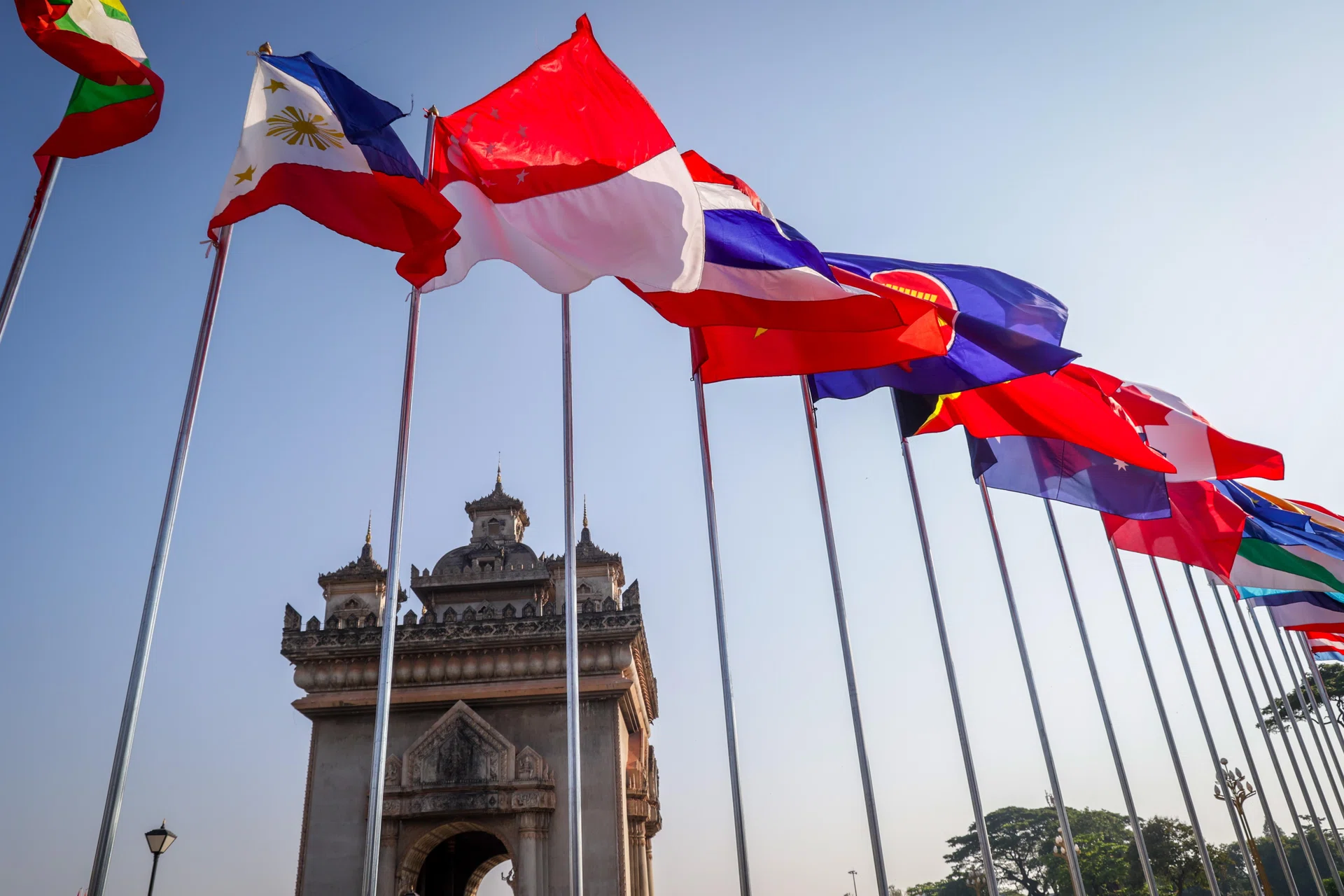
South-east Asia’s resilience will depend on greater economic integration within the region and continued strategic engagement with external partners
AS THE global economic environment becomes more unsettled, South-east Asia is having to navigate a more complex set of risks, from disruptions in the Middle East affecting shipping routes to broader geopolitical frictions.
For both large corporations and smaller firms, there is a greater need to manage volatility, cost pressures and shifting market conditions. Businesses depend not only on market access, but also on confidence that rules, international law and open trade will continue to provide a stable operating environment.
The United States, long seen as a key defender of the rules-based order, no longer appears to provide the same level of reassurance, found the State of Southeast Asia 2026 Survey by the Iseas-Yusof Ishak Institute, which polled 2,008 respondents from all Asean member states.
Instead, Asean is now viewed by the survey’s respondents as the most credible platform for upholding the rules-based order.
This shift is significant as it not only reflects the changing perceptions of external powers, but also rising expectations that Asean itself must help preserve stability in an increasingly fragmented landscape.
That expectation is also visible in how respondents think Asean should respond to global protectionism. The largest share of respondents favoured accelerating regional integration among Asean member states as the best response, rather than looking primarily outward.
More than a long-term development project, economic integration is increasingly viewed as a form of regional resilience for South-east Asia to reduce exposure to external volatility, and preserve greater room for manoeuvre.
Economic integration could be strengthened by broadening intra-regional demand and strengthening production networks. By making the region a formidable economic force in its own right, such integration could help cushion the impact from growing protectionist pressures as well as resist coercive pressures from ongoing US-China geopolitical tensions.
This matters for businesses. A more integrated Asean market would provide a more predictable operating environment, where intra-regional demand and supply chains serve as an additional buffer against global volatility. Firms would no longer need to navigate Asean purely as separate national markets. The region’s value as a connected production and investment base also deepens.
That said, meaningful economic integration still faces long-standing challenges. Most regional respondents cite domestic technocratic implementation capacities as well as disparities in economic development levels among Asean member states as key impediments to integration.
The respective member states need political will to bring about the required formulation and implementation of policies that would strengthen institutions and improve the monitoring and enforcement of regulations as well as provisions within Asean-wide mechanisms.
In particular, initiatives aimed at making the bloc more technically integrated would be much valued by businesses operating in the region. These include the improvement in trade facilitation measures such as those related to customs clearance, process automation and fee transparency. Such practical improvements will enable Asean to serve as a hedge in a more seamless and predictable regional market.
At the same time, this inward focus does not lessen Asean’s exposure to external economic realities. With the region remaining deeply embedded in global trade and supply chains, its resilience will still depend on how it manages key external relationships.
China is central to that calculation. Its proximity, market size and deep integration into regional supply chains make it difficult for Asean economies to ignore. The survey suggests that confidence in China is gaining ground, and many respondents expect relations with China to improve.
However, this should not be read as a simple shift towards Beijing. Concerns about economic coercion and strategic dependence persist, and perceptions of China’s leadership remain cautious. Asean economies are engaging China where it makes economic sense, while still seeking to broaden their options.
Member states will continue to pursue bilateral and plurilateral arrangements with other external partners, including middle powers like Japan, the EU, Korea, Australia and India.
The key question is whether these engagements can be anchored within a broader regional framework that preserves coherence. In a more uncertain global environment, Asean’s role is not to replace these external relationships, but to ensure that they do not pull the region apart as a result of competing strategic interests.
Asean’s credibility can only be sustained if it can translate trust into practical outcomes by strengthening implementation and maintaining an open and predictable economic environment.
In a fragmenting global economy, Asean’s ability to hold the region together economically will matter as much as its traditional role in convening dialogue, managing regional tensions and anchoring South-east Asia’s place in the wider regional architecture.
source: The Business Times https://www.businesstimes.com.sg/opinion-features/aseans-test-fragmented-global-economy