Australian migration cuts to take heavy toll on economy with worker shortages expected
Australia's migration cuts risk severe labor shortages, hitting hospitality, tourism and farming. Businesses warn of reduced hours, closures, and higher prices as foreign worker numbers drop.
SYDNEY – In northern Australia, Kahlia Colquhoun runs a coastal holiday park and restaurant catering to tourists who come to Cape York at the northern tip of the country to enjoy the diving, beaches and wildlife.
The family-owned holiday park, Cape York Camping, is in a remote area and opens only during the cooler, drier months of May to December. As a result, Colquhoun said, the business attracts few Australian workers and depends on a steady flow of short-term foreign workers, who make up about 80 per cent of the 32-member staff.
“It’s a perfect spot for backpackers to come and live in a place that is safe and affordable while they earn money for their next adventure,” she told The Straits Times.
But plans by the federal government to scale back its migration programme, including cuts to the number of working holidaymakers and international students, have raised concerns that businesses such as Colquhoun’s would be unable to find staff or fill worker shortages.
Canberra wants to reduce the annual migrant intake – the net population increase or decrease due to migration – from about 300,000 a year to 245,000 in the year to June 30, 2027, and to 225,000 in the following 12 months.
Australia is largely a nation of immigrants and has relied heavily in recent decades on skilled foreign workers, working holidaymakers and international students to fill labour shortages.
But the ruling Labour Party is under pressure to reduce their numbers amid concerns that the influx is straining social services and housing.
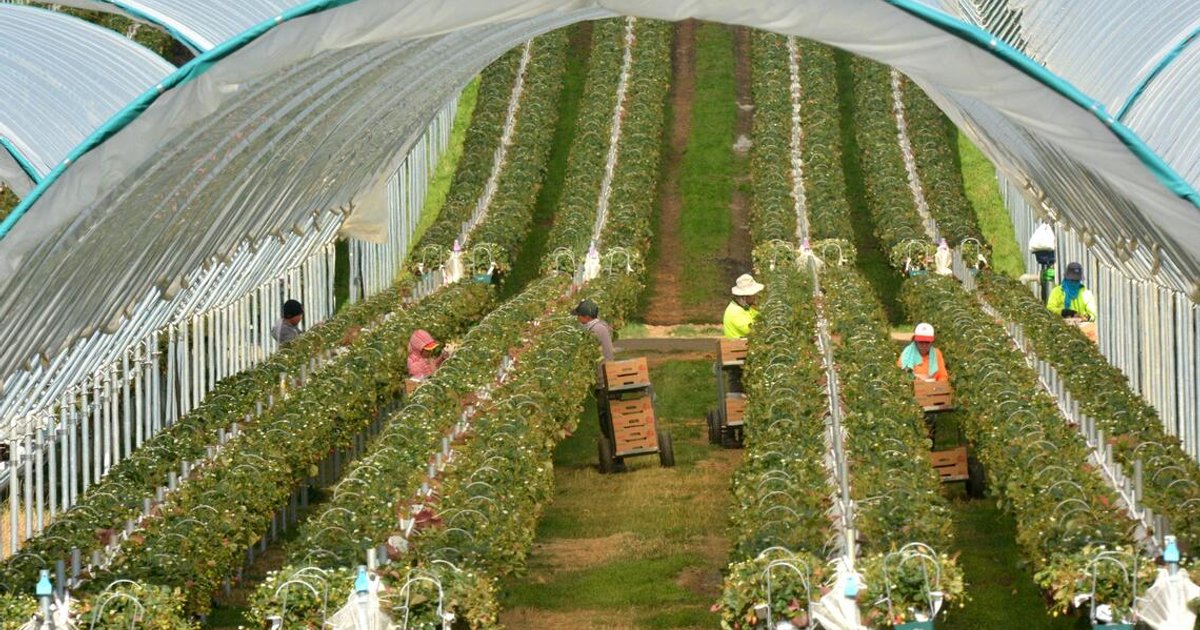
Businesses say the cuts will instead worsen worker shortages across the economy, particularly in sectors that rely on migrant workers such as agriculture, hospitality, tourism, health and construction.
“It is pretty scary,” Colquhoun said, referring to the migration changes. She added that a lack of foreign workers could force the holiday park to shorten the opening hours of the restaurant or introduce minimum two-night stays to reduce the load on housekeepers.
“It will have a massive impact on us. We would have to reduce what we do to be able to survive.”
Home Affairs Minister Tony Burke told News24 on Oct 11 that migration cuts were needed to address population and housing pressures.
“(There) is a situation where for housing and infrastructure, we need to get some breathing space, in part because of the fact that people are now living ( with ) fewer people per household,” he said.
But he acknowledged that a balance was needed. “If you go too hard, you smash the economy.”
The Government plans to limit visas for international students, excluding those from Pacific and ASEAN member countries such as Singapore, and make it harder for students who switch between visas to try to stay longer and retain their work rights.
It will also curtail working holidaymaker visas, which provide 12-month visas for short-term work and study to individuals from a range of countries, including Singapore. Only 45,000 working holidaymakers a year will be allowed to stay for a second year – down from 57,000 – and just 5,000 will be allowed to stay for a third year, down from 31,000.
The number of annual skilled migrant visas, which in 2025 included about 270,000 people on permanent visas and visas lasting two to four years, is expected to remain the same.
How Australian migration cuts could hit the economy
John Hart, head of the Restaurant & Catering Association, which represents more than 57,000 cafes, restaurants and caterers, told ST that the changes could be “pretty dire for us”.
“The tighter the (migrant) numbers get, the harder it will be for our businesses to open, sustain opening hours and sustain their (seating) capacity,” he said. “Consumers will find it more difficult to find somewhere to eat. We just don’t have the local labour supply to staff an industry that is still growing stronger.”
Wes Lambert, head of the Australian Restaurant & Cafe Association, which also represents the sector, told ST that the industry has about 60,000 job vacancies. He said the migration changes could push vacancies to as many as 200,000, driving up wages and fuelling price increases.
“You would be hard-pressed to find a hospitality business in Australia that does not have foreign workers,” he said. “You are talking about chefs, cooks, managers, assistant managers, servers, kitchen hands, hosts and hostesses, sommeliers – every position.”
Other industries sounded similar warnings.
Michael Coote, head of AUSVEG, which represents vegetable, potato and onion growers, told ST that working holidaymakers were crucial to filling temporary roles during the peak harvesting and production periods.
“The populist push to cut migration in Australia risks inflicting collateral damage on Australian vegetable growers, and exacerbating existing longstanding and widespread workforce shortages,” he said.
Also expressing caution, the Australian Tourism Export Council, an industry body, said any changes to the working holidaymaker scheme should consider not only such workers’ role as a “mobile, flexible and seasonal workforce” but also as a source of tourism spending.
Labor’s migration cuts come as all the major parties have moved to take an increasingly tough approach to immigration. If it wins the next election, due in 2028, the opposition Liberal-National Coalition wants to cut migrant numbers to 100,000 in the years to June 30, 2029, and 2030, then increase them to 130,000 the following year. One Nation, led by anti-migrant firebrand Pauline Hanson and currently leading in some opinion polls, wants net negative migration in each of its first three years in office if elected in 2028.
Aside from the economic hit, experts say, the proposed migration cuts could increase the national debt, as working migrants tend to pay more in taxes and rely less on social security than those born in Australia.
“Any big reduction in the immigration intake would drive up debt because migrants earn money by working,” economist Saul Eslake told Channel Seven on Oct 19.
Bran Black, head of the Business Council of Australia representing businesses, said in a statement that Australia should focus on training in areas with workforce shortages, such as nursing and trades, but recognise that migrants are needed to fill gaps as the domestic workforce grows.
“We must avoid a race to the bottom based on an arbitrary migration figure that could hurt Australia’s economy while worsening the skills shortage,” he said.
“A well-managed migration system helps deliver a strong economy.”
Source: The Straits Times https://www.straitstimes.com/asia/australianz/australian-migration-cuts-to-take-heavy-toll-on-economy-with-worker-shortages-expected?ref=latest