India on Iran war: the costs of sitting still
India's neutrality during the Iran war tests its strategic autonomy. While critics call it paralysis, New Delhi balances complex ties to maintain geopolitical flexibility and economic stability.
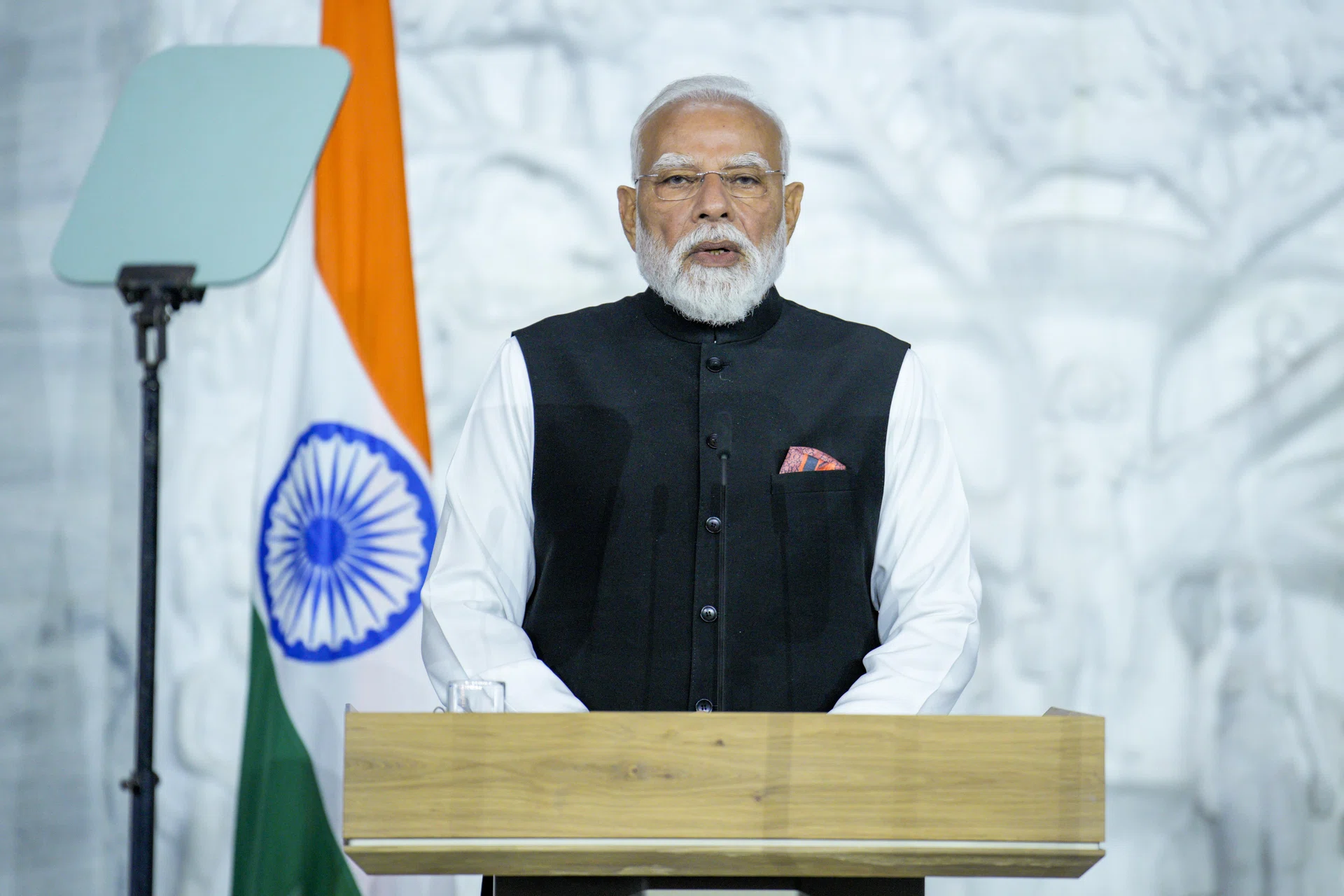
On , Indian Prime Minister Narendra Modi did something unusual. He asked Indians to drive less, work from home when possible, and ease off on gold purchases.
The country’s strategic petroleum reserves were under strain; fuel prices had ticked up and the rupee was wobbling. None of it was supposed to happen this way. India was meant to be a rising power navigating the world on its own terms, not a country rationing energy because of someone else’s war.
The war in question began on Feb 28, when the US and Israel launched joint air strikes on Iran, killing Supreme Leader Ali Khamenei and triggering a regional conflagration that has since drawn in Lebanon, Bahrain, Qatar, the United Arab Emirates, Saudi Arabia and points beyond.
Iran closed the Strait of Hormuz. Global oil markets convulsed. While regional actors like Pakistan, Egypt and Turkey quickly emerged as back-channel mediators, New Delhi’s calculated neutrality has ignited a debate over the limits of its foreign policy.
To critics, the approach looks like paralysis. But New Delhi has issued careful statements: a call for dialogue, expressions of concern, and condemnations of strikes on American bases that pointedly do not mention Iran.
Modi, fresh from a whirlwind tour through Abu Dhabi and four European capitals, also phoned Gulf monarchs and the Israeli prime minister.
But India has neither condemned the US-Israeli strikes that started the war, nor played a meaningful mediating role. For a country that bills itself as a vishwaguru –a teacher to the world – and the natural leader of the Global South, the contrast with China, Brazil and even Pakistan has been hard to miss.
The defenders of this approach, who include serving and retired diplomats, make a serious case. Under India’s “multi-alignment” doctrine, the country has spent two decades buying oil from Iran, weapons from Israel and technology from America, and receiving capital from the Gulf.
The strategy works because India refuses to choose. Pick a side now, any side,and you forfeit the room to manoeuvre that strategic autonomy provides. Better to weather the storm quietly than emerge from it with fewer friends and a more constrained foreign policy.
The critics, who include the Indian National Congress and a sizeable share of the foreign-policy commentariat, see the strategy as untenable. Russia, China and Brazil,India’s Brics partners, denounced the war quickly.
Pakistan, of all countries, got a seat at the mediation table. An Iranian frigate returning from joint exercises with the Indian Navy was sunk by an American submarine in the Indian Ocean, raising awkward questions about India’s self-styled role as a “net security provider” in those waters.
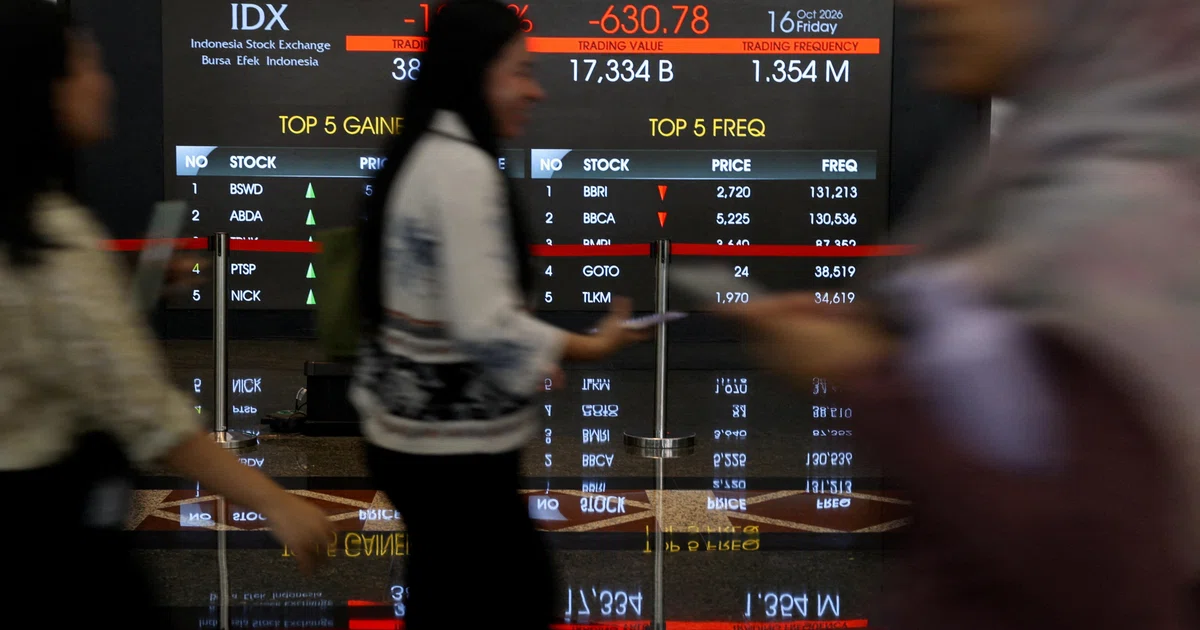
And the economic costs to India – the fuel hike, depleting reserves and work-from-home appeals – have made the strategy harder to defend in domestic political terms.
The honest evaluation is that both sides have a point, and the choice India faces is genuinely hard. The country has roughly 4.3 million citizens working in the UAE, deep defence ties with Israel, a multibillion-dollar port at Chabahar in Iran, and an energy dependency on a Gulf that is now actively being bombed.
Each relationship pulls it in a different direction. Multi-alignment was elegant when the region was peaceful. In wartime, however, it starts to look like indecision dressed up as principle.
Three costs are worth weighing. The first is reputational: India’s silence in the Global South, where it has invested heavily in leadership claims, has been noticed and, in places, resented.
The second is strategic: Pakistan’s mediating role, however limited, hands Islamabad a story it has not enjoyed in years, and undercuts New Delhi’s regional ambitions.
The third is material: an extended Hormuz disruption is a problem India’s reserves cannot indefinitely absorb.
Against those costs sit real benefits. India has not been dragged into a war it does not want. It has preserved working ties with every party. If the fragile, Pakistan-brokered ceasefire holds, New Delhi will still have a seat at every table when the rebuilding begins.
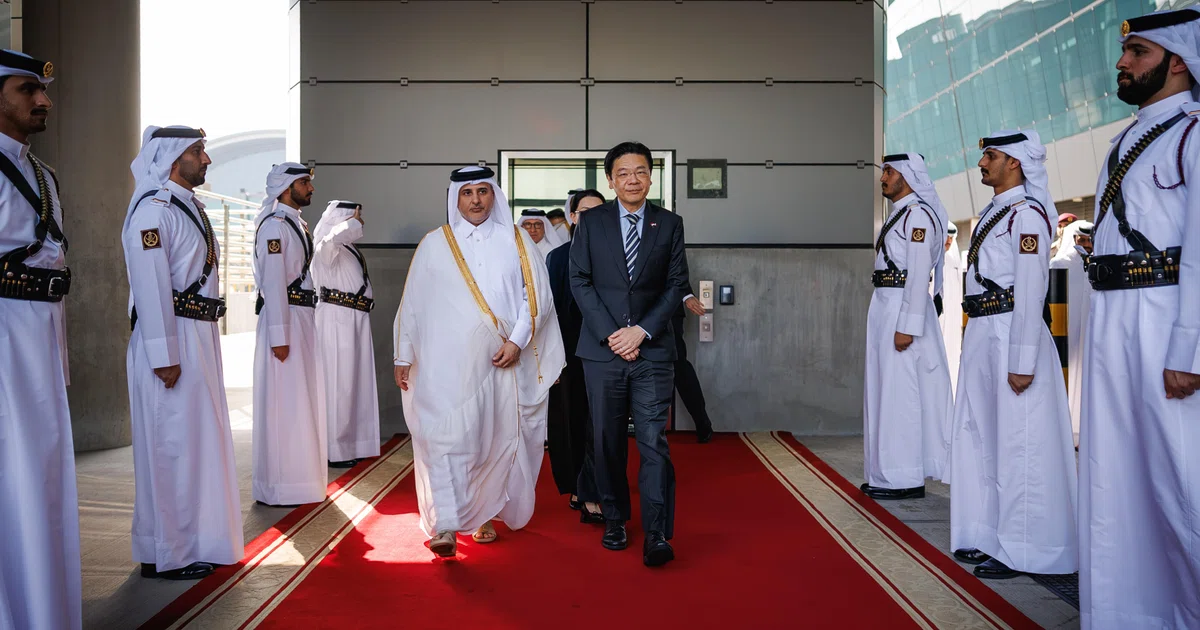
The Chabahar port remains operable. The defence relationship with Israel is intact. The Gulf monarchies, including the UAE, just signed fresh agreements on defence, energy and shipping during Modi’s visit to Abu Dhabi.
Whether that balance is worth the price will depend on what comes next. If the war ends soon and the costs prove temporary, India’s caution will look like wisdom. If it drags on, the silence will look like something else.
The interesting thing about strategic autonomy is that it is a doctrine for ordinary times. The Iran war is the first real test of whether it works when the world stops cooperating.
source: The Business Times https://www.businesstimes.com.sg/opinion-features/india-iran-war-costs-sitting-still