Singapore’s SMEs are winning at Google, losing at AI
Singaporean SMEs struggle with AI search visibility. Despite ranking on Google, they lack the technical schema and structure required for AI engines to cite them, risking invisibility in the new search era.
Artificial intelligence-powered answers tend to skip over the Republic’s small businesses
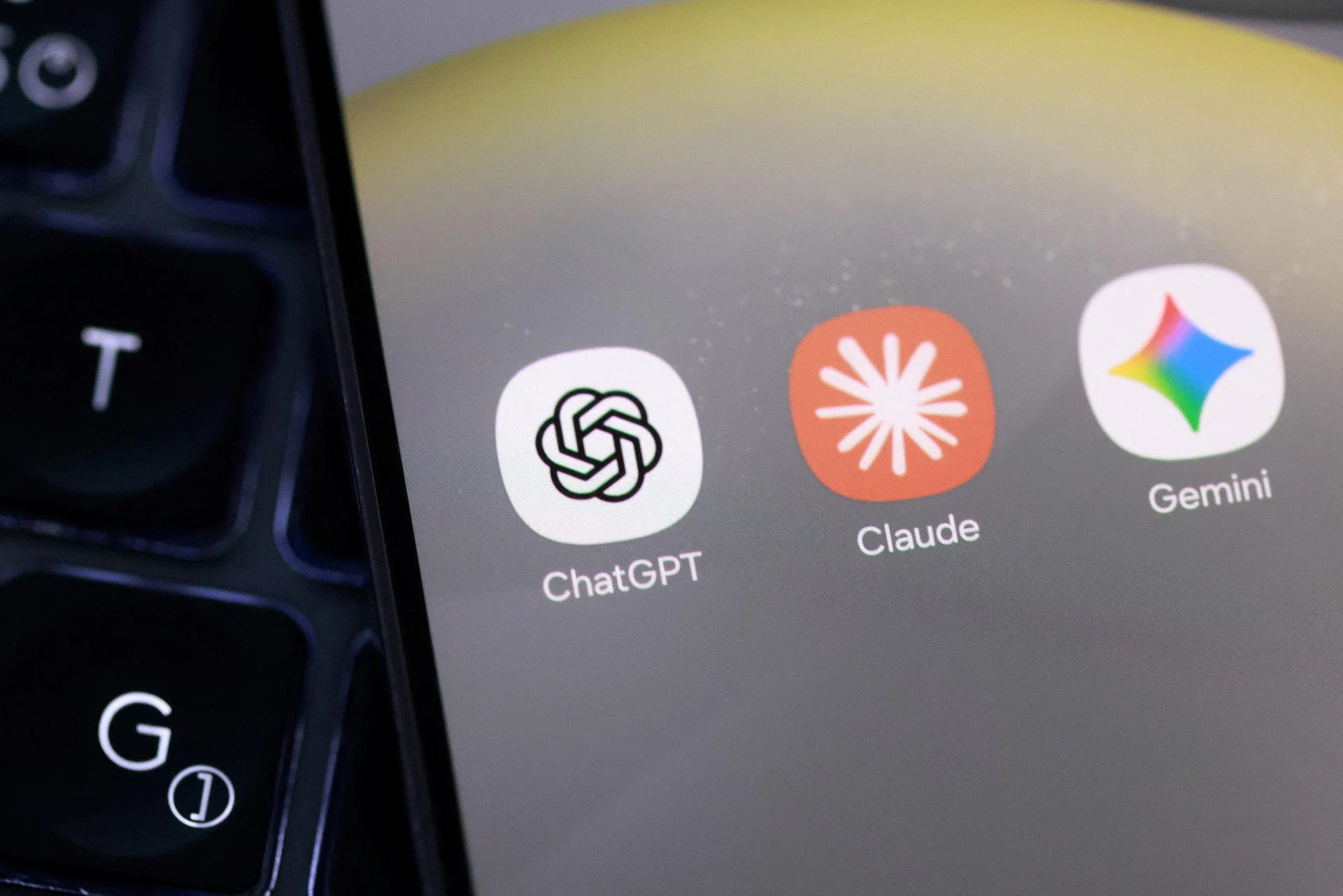
TODAY a growing share of Singaporeans, especially younger ones, are relying on ChatGPT, Perplexity or Google’s AI Overviews to find goods and services – whether that’s a florist, plumber, tuition centre, renovation contractor or food caterer.
Pose a question and the app or browser shows a paragraph of text with information scraped and stitched from websites the artificial intelligence engine decided were worth quoting.
For Singapore’s small and medium-sized enterprises (SMEs), this shift matters more than most business owners realise, because it changes the rules of the search engine optimisation (SEO) game they had only just learnt to play.
For two decades, the instructions for being found online were reasonably stable: build a website, write good content, earn some backlinks, keep Google happy. Many SMEs did the work and now rank.
But ranking on Google and being quoted by an AI answer engine turn out to be two different achievements. The second one runs on rules almost nobody has been told.
In , I ran an “AI search readiness” audit of 46 Singapore SME websites across five sectors – all already rank on standard Google search results. The businesses had done the visible SEO work.
Yet these sites averaged just 48 out of 100 on an AI search readiness score – a research-based framework built around the specific things AI systems look for when deciding what to cite when answering queries.
Concretely, it scores five things: whether a page answers questions upfront; whether FAQ (frequently asked questions) content has code that helps engines understand it; whether the page shows real, verifiable author credentials; how deep and quotable the content actually is; and whether AI crawlers can technically access the page at all.
Structural gaps
The gaps were structural, not cosmetic. About 60 per cent of homepages opened with a slogan or a company history rather than the direct answers buyers actually search for – which is precisely the content AI engines extract and quote.
Roughly 75 per cent had a written FAQ section, the kind customers scroll through by hand, but no FAQ Page schema, or the machine-readable mark-up that lets an AI system lift that answer cleanly.
About 85 per cent had no llms.txt file, a simple manifest telling AI crawlers what a site is and how to read it. Close to 30 per cent had pages too thin or vague to quote at all, and this was worst among F&B and retail businesses.
A handful of sites were built entirely in JavaScript (a programming language) that renders in a browser but stays invisible to the crawlers. These businesses are, for AI-search purposes, effectively offline.
Overall performance also varied by trade. Construction and trades businesses scored best, around 63, likely because their sites tend to state prices, specifications and processes plainly.
Education SMEs scored weakest, at around 35 – an irony given how much of the sector’s value proposition is “we explain things clearly”.
None of this is any single business owner’s fault. Nobody built AI-readable schema into the standard SME Web-development brief, because until very recently there was no reason to.
The problem is that the brief has not caught up to how people now search. The businesses least equipped to notice – because they are busy running restaurants, tuition centres and trading companies instead of tracking search-engine architecture – are the ones quietly losing visibility in the channel that increasingly matters most.
There is a national-competitiveness dimension here too.
Singapore has spent years pushing SMEs to digitalise, and many have answered that call. It would be a strange outcome if the next wave of search simply bypassed the businesses that did everything asked of them the first time round.
Meanwhile, larger competitors with dedicated technical teams have adapted.
The gap is currently a matter of technical literacy, not company size or product quality – which means it can be closed, but only if SMEs are aware of it.
There is no guaranteed fix and nobody should promise one. AI answer engines are still evolving their own rules.
But the starting point is straightforward: SME owners and the Web developers who serve them need to understand that a website can rank well on Google and still be functionally invisible to the tools an increasing number of customers now ask first.
That is a solvable, teachable problem. Singapore must treat generative engine optimisation as the next chapter of digitalisation, rather than a surprise nobody saw coming.
source: The Business Times https://www.businesstimes.com.sg/opinion-features/singapores-smes-are-winning-google-losing-ai